Getting first aid training right for new employees is among those peaceful decisions that only reveals its value on the most awful day of the year. When something fails on site, in a meeting room, or in the parking area, the mins prior to expert assistance shows up really feel long. What your individuals carry out in those mins depends upon how you trained them.
Many organisations now look for fast first aid courses and express CPR training so that new beginners can be removed and on the floor swiftly. That is affordable, however speed alone is not the entire tale. The genuine objective is fast first aid training that is efficient, appropriate, and actually remembered when the pressure is on.
I have sat in areas with brand-new hires from warehouses, call centres, law practice, and childcare centres, and the pattern coincides. When training is rushed, abstract, or also common, individuals go out with a first aid certificate but very little self-confidence. When training is focused, scenario based, and well attended the onboarding process, they go out ready to aid an associate in actual trouble.
This guide draws on that experience and is written for human resources leaders, safety and security supervisors, and line managers that require to bring new workers up to speed up promptly without transforming first aid right into a tick-box exercise.
Why rapid first aid training matters for new hires
When someone is brand-new to an office, everything is unknown. Leaves, equipment, culture, even just how to elevate an alarm, all take some time to discover. That uncertainty is exactly why structuring first aid and CPR training very early makes sense.
Three concerns often tend to drive the conversation about a fast first aid course for new employees.
First, legal and market demands. Numerous jurisdictions need a minimal proportion of experienced very first aiders to team, or specific first aid and CPR courses for certain duties. Childcare, safety and security, building, and production frequently sit in the strictest categories. If you hire in batches, each intake can briefly push you out of compliance until they are trained.
Second, actual risk. Brand-new individuals make more blunders. This is not an objection, simply reality. They are still finding out risk-free work procedures and may take too lightly risks. Set that with unfamiliar environments throughout an emergency situation, and the danger of hesitation grows.
Third, assumption and culture. Early financial investment in first aid training sends a clear signal that safety and security is not a slogan. New employs remember who welcomed them effectively, who revealed them the fire escape, who took some time to explain exactly how to call protection or a rescue. Adding a well run, fast first aid and CPR course throughout induction enhances that message.
The temptation is to squeeze a brief course into whatever extra hour appears on the schedule. That normally backfires. Great express first aid training is not regarding packing content, it is about prioritising the right abilities and practicing them in realistic ways.
What "fast" needs to and should not mean
I hear "fast first aid courses" used to indicate three extremely different things.
Sometimes it suggests excellent quality, carefully structured content that concentrates on the abilities most likely to be used, educated successfully by experienced fitness instructors. That is the excellent version.
Sometimes it suggests a versatile format, such as mixed understanding, where concept is taken online at your very own speed and the functional part is shorter and concentrated. That can function well if taken care of properly.
And occasionally it indicates surface training that cuts edges totally to strike a shorter period on paper. That is where problems start.
For company decision manufacturers, a fast first aid course near me need to tick three boxes at the very same time: certified, reliable, and effective. If you only go after speed, you risk turning first aid training into a routine that does not stand on the day somebody collapses in the break room.
A couple of things fast ought to never mean:
Fast ought to not suggest missing CPR practice. Any serious fast cpr course or first aid and CPR training classes require repeated hands-on time with manikins, responses on compression depth and price, and sufficient technique that individuals are not worried to act.
Fast should not mean bypassing evaluation. Whether it is an official first aid certificate or internal sign-off, there has to be a means to validate that brand-new personnel can perform vital activities under moderate pressure.
Fast should not indicate "one dimension fits all". An express childcare first aid course for early childhood years teachers should look and feel different to express first aid training for white-collar worker or storehouse staff.
Fast should, however, encourage limited style. Strip out repetitive slides. Limit jargon. Focus on the core emergency situations that match your work environment risk account. Use short, dazzling circumstances rather than lengthy academic lectures.
Core outcomes every brand-new worker must reach
When I design or review a fast first aid training program for brand-new staff members, I do not start by asking, "How long can we make it?" I begin with, "What do we need every brand-new hire to be able to do, even under anxiety?"
In most offices, the non-negotiables are:
Recognise when a person is seriously unhealthy or hurt. New employees ought to have the ability to spot warnings: a person unexpectedly confused, not taking a breath usually, less competent, heavily bleeding, or having a seizure. Several genuine events are delayed since spectators feel "it may not be that negative."
Call for aid properly. This appears standard, yet in a big corporate setting, calling for help is more complicated than dialling a national emergency number. They need to know the internal emergency expansion, security radio procedures if relevant, structure or site address, and just how to direct paramedics to the ideal entryway. A fast first aid course must go through these steps, not simply discuss them.
Start CPR when shown and utilize an AED confidently. The heart of several first aid and CPR courses is solid CPR training. New workers ought to leave able to start chest compressions, offer rescue breaths if it becomes part of your procedure, and run an AED without waiting on a "extra qualified" person.
Control life intimidating bleeding and position the casualty. From heavy bleeding because of machinery accidents to drops in stairwells, hemorrhaging control is among the most useful parts of first aid training. So is understanding when to place someone in the recovery position, when to maintain them flat, and when not to move them at all.
Protect themselves and others. First aiders are no assistance if they become casualties. Also in a fast first aid course, build in habits like scene analysis, use of gloves, and avoiding unsafe lifts.
If your express first aid course can deliver those end results continually, also in a limited timespan, you are on solid ground. Everything else, from bandaging minor cuts to managing nosebleeds, is a bonus.
Choosing the appropriate style: personally, combined, or totally express
The expression fast first aid training covers a lot of different designs. For new workers, the most effective style relies on several constraints: head count, shift patterns, threat degree, and budget.
Traditional complete day first aid courses, consisting of CPR courses, still belong. They often tend to develop deeper self-confidence due to the fact that there is time for repeating and questions. However, for large corporate intakes, drawing every person off the flooring for a full day can encounter functional reality.
Here is where blended and express options come in.

Blended first aid and CPR course formats split the work. Concept is delivered via on the internet modules that personnel complete prior to a shorter, extensive practical session. This moves long descriptions, representations, and quizzes out of the class, freeing the instructor to focus on scenarios, hands-on CPR training, and assessment.
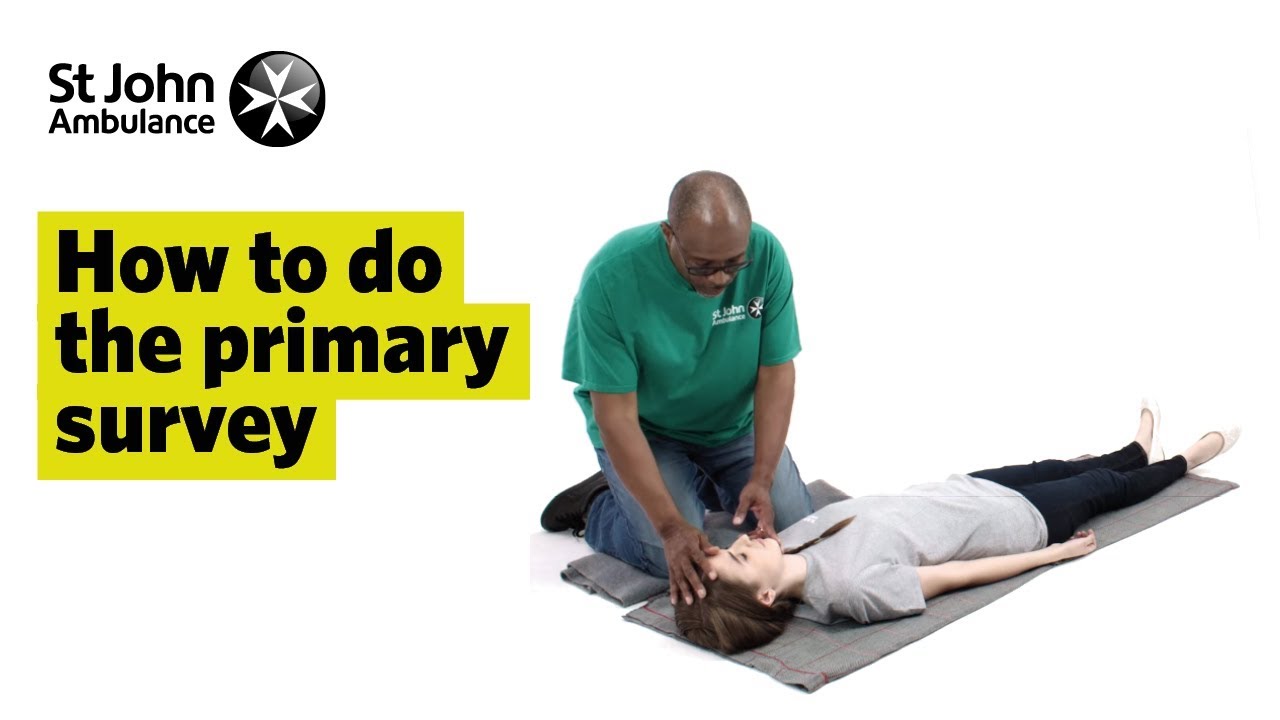
When mixed delivery functions well, you see higher interaction in the area. People arrive with fundamental Salisbury first aid ideas already covered. When it fails, it is generally since team rush the on the internet modules or skip them because of work. That leaves the fitness instructor forced to reteach concept, and the "fast" advantage disappears.
Fully express first aid courses are commonly short, concentrated sessions of a couple of hours. Fast CPR correspondence course fall under this classification too. For brand-new employees, express CPR courses or an express first aid course make sense only if they become part of a wider training path. For example, you may use a brief express cpr training block throughout induction, complied with by a much more complete first aid course for picked team within 3 months.
One useful technique numerous business clients embrace resemble this. All new hires attend a fast first aid and CPR understanding session throughout induction, around 2 to 3 hours. That session focuses on identifying emergency situations, calling for aid, fundamental CPR, and AED use. Individually, each group nominates marked initial aiders who then attend full first aid and cpr courses causing official first aid certification.
This design means everybody has enough to act, while a smaller team brings the deeper capability required by law and finest practice.
Special considerations for child care and high threat roles
Standard express first aid training is not enough all over. Some functions lug one-of-a-kind threats and legal setups that call for particular material and longer contact hours.
In child care, as an example, express child care first aid courses need to cover choking in infants and children, febrile convulsions, anaphylaxis, asthma, and head injuries from falls. An express childcare first aid training session that feels like a generic company first aid course with a couple of youngsters's images included is not adequate.
For childcare companies, I usually recommend:
Start with an express childcare first aid course during or just before induction, with hefty emphasis on choking, CPR for babies and kids, anaphylaxis management with car injectors, and allergies. Consist of useful situations drawn from genuine occurrences, such as a kid found face down in a water tray or a kid with a well-known nut allergic reaction beginning to wheeze after snack time.
Follow with routine express child care first aid refresher sessions every year, even if certification cycles enable longer spaces. Skills like paediatric CPR drift rapidly if not practised.
High danger commercial settings require a comparable method tailored to their hazards. A warehouse or manufacturing website gain from fast first aid courses that highlight crush injuries, amputations, chemical direct exposures, and spinal safety measures, not just textbook scenarios. Practical sessions may be held on the floor near actual equipment, so brand-new staff can imagine what a genuine case would look and seem like.
In both childcare and hefty market, common fast cpr courses that neglect the details context are generally a poor investment. The even more snugly you match express first aid courses to your threats, the even more worth you receive from every training hour.
Making fast first aid part of the onboarding journey
One of one of the most typical mistakes I see is treating first aid and CPR training as a different task from onboarding. HR manages agreements and society, line supervisors take care of work jobs, and safety squeezes fast first aid training anywhere there is a slot left.
Results improve significantly when you intend first aid and CPR right into the onboarding journey from the start.
During week one, aim for direct exposure and orientation as opposed to mastery. A brief express cpr course or fast first aid session early in the first week assists new hires really feel ready, particularly if they are nervous regarding clinical emergencies. Use this slot to cover:
Where first aid sets, AEDs, and fire escape lie in their real area.
Who the assigned first aiders and wardens are, and exactly how to get in touch with them.
The fundamental "recognise, react, refer" pattern: spot a trouble, take instant first aid activity if risk-free, and pass the circumstance on to professionals.
During the very first two to three months, schedule much deeper training. That could be a full first aid and cpr course for nominated first aiders, or a fast certification pathway for roles that call for official first aid certificates. The secret is to offer brand-new staff members time to clear up right into their functions before expecting them to take in thick content.
Use genuine events, anonymised where needed, from your own organisation as case studies throughout training. When people hear "in 2014, a professional broke down in this very packing bay and this is what the initial aider did", the training breaks into focus.
Finally, web link training results to clear expectations. If somebody obtains a first aid certificate and is added to your lineup of first aiders, ensure their position summary and efficiency process show that obligation. Hectic personnel are more probable to preserve their skills when it is officially recognised as part of their role.
CPR: the skill that can not be rushed
When companies request for fast cpr courses, I constantly ask what "fast" implies to them. If it implies much less talking and more technique, we are straightened. If it suggests pressing technique time right into a couple of hurried minutes, we are heading right into trouble.
CPR is mechanical and laborious. You can not find out the right deepness, rhythm, and body technicians by enjoying a video alone. Individuals need to feel what 100 to 120 compressions per minute actually feels like. They require to experience exactly how swiftly they tire, and just how tough they need to push to get to the advised depth.
Fast cpr refresher courses can maintain abilities efficiently when built on a good first training base. For instance, a 1 to 2 hour express cpr training block that includes a short theory wrap-up, lots of hands-on exercise with feedback gadgets, and a number of situation rotations works well for team that trained effectively within the last year.
For brand-new staff with no previous CPR training, be cautious concerning anything too brief. A combined first aid and cpr course that allows at least numerous strong practice cycles per person is a safer beginning point. Also in business settings where the risk of heart attack seems remote, heart emergency situations do occur, frequently in older team, site visitors, or contractors.
One sensible technique is to make AED place and practice component of everyday culture, not simply the official course. As an example, I have actually seen workplaces where monthly security rundowns consist of a 5 minute turning: 2 volunteers practise opening up the AED, following its prompts, and using pads to a manikin. It keeps the gadget acquainted and removes the anxiety factor.
Working with training service providers: what to look for
Choosing a companion to provide https://jaspersysd687.yousher.com/the-importance-of-first-aid-and-cpr-courses-in-today-s-world fast first aid courses or express cpr courses is as vital as choosing the style. Not all providers are equivalent, and the least expensive alternative theoretically can cost much more in remedial training, bad interaction, or non compliance headaches.
Here is a basic, functional list you can use when examining first aid training providers for new workers:
Verify certification and scope
Validate the service provider is correctly certified or accepted in your jurisdiction to issue the sort of first aid certificate you require, including specialist options like fap first aid or childcare particular certifications where relevant.Ask concerning corporate experience
Carriers used to little area classes might deal with huge induction mates or change based rosters. Try to find fitness instructors who understand business restraints and can adjust start times, team sizes, and shipment modes.Inspect sample web content and scenarios
Ask for an example agenda for their fast first aid training or express first aid course. Inspect that CPR practice time is adequate, scenarios match your sector, which material straightens with your internal emergency procedures.Clarify versatility for combined options
If you are taking into consideration mixed first aid and cpr courses, ask just how they track on the internet completion, what takes place if staff arrive not really prepared, and how they sustain individuals who are much less comfy with e learning.Consider blog post course assistance and data
Great companies offer refresher tips, summary records, and in some cases access to short comply with up videos. For large organisations, having the ability to run reports by website, service device, and expiry date makes conformity far easier.Do not be reluctant to ask for references from similar clients. A company that has effectively provided express first aid courses for call centre intakes of two hundred individuals, or express childcare first aid courses across numerous centres, will be happy to link you with those clients.
Measuring whether your fast first aid program works
Putting brand-new employees with first aid and CPR training is only half the work. The other half is checking whether it is working in actual terms.

I usually consider three type of evidence.
First, unbiased measures such as conclusion rates, variety of present first aid certificates, and time from hire to preliminary training. If brand-new staff members are waiting months for a fast first aid course due to organizing gaps, the onboarding procedure needs attention.
Second, qualitative feedback. Short, focused article course surveys assist right here. Ask whether participants really feel extra certain to start CPR, make use of an AED, or manage a serious bleed. Also ask managers whether experienced new personnel really advance in drills and small incidents.
Third, incident data. With time, testimonial genuine first aid cases. Who reacted first? Did they apply the training properly? Existed hold-ups in identifying emergency situations or calling for help? Did any person on the scene feel not really prepared despite having actually attended fast first aid training?
You will rarely get an ideal photo, but patterns appear. Possibly your express cpr courses are solid, however staff still think twice to open the AED since they hesitate of "making it worse." Or your first aid courses cover allergies, but staff are unclear on where EpiPens are stored.
Use these findings to tweak both web content and distribution. Often the solution is not a lot more training time yet smarter emphasis: adding a 10 min AED familiarisation to every department conference for a quarter, or including a short scenario concerning your most typical event enter every express first aid course.
Keeping skills sharp: refresher courses and mini training
First help abilities fade. That is not a judgment on your people, it is just just how memory and muscular tissue control work. After about 6 to one year without technique, CPR quality goes down sharply. There is a factor many governing bodies recommend or need routine refresher training.
Fast cpr correspondence course and brief express first aid training sessions are optimal devices here, especially in large organisations where drawing team off for complete re-training every year is unrealistic.
A pragmatic timetable for several corporates appears like this:
All new team complete an induction degree fast first aid and cpr course, either express personally or blended.
Designated initial aiders finish a much more detailed first aid course, earning a multi year first aid certificate valid under local rules.
Every one year, all initial aiders attend a fast cpr refresher course, ideally incorporated with a targeted first aid refresher focused on your leading incident types.
Between formal courses, teams run short "mini drills" in meetings: a 3 minute conversation about how to call a rescue from your structure, a quick stroll to check the AED, a one inquiry test regarding indicators of stroke.
These mini interventions cost nearly absolutely nothing and can be led by internal champions. Safety officers, people supervisors, or enthusiastic first aiders can keep the subject alive without transforming every conference into a lecture.
When staff see first aid as a living capability sustained by the organisation, rather than a hoop to jump with every few years, they are much more most likely to act emphatically when needed.
Final ideas for business leaders
Fast first aid courses, express cpr training, and pressed onboarding schedules are all part of modern-day company life. You can not disregard the stress to get individuals productive quickly. Yet you also can not outsource your duty of like the calendar.
The objective is not the quickest feasible course. It is the shortest course that still creates people that identify emergencies, act rapidly, and make use of easy devices like CPR and AEDs properly. That sort of fast first aid training needs careful design, the best carrier, and combination with your broader safety and security culture.
If you deal with first aid as component of exactly how your organisation thinks about threat, treatment, and professionalism, brand-new staff members will feel it from the first day. And on the day when someone's heart stops in your lobby or a kid chokes in your care, that financial investment stops being a line thing and becomes the reason someone reaches go home.